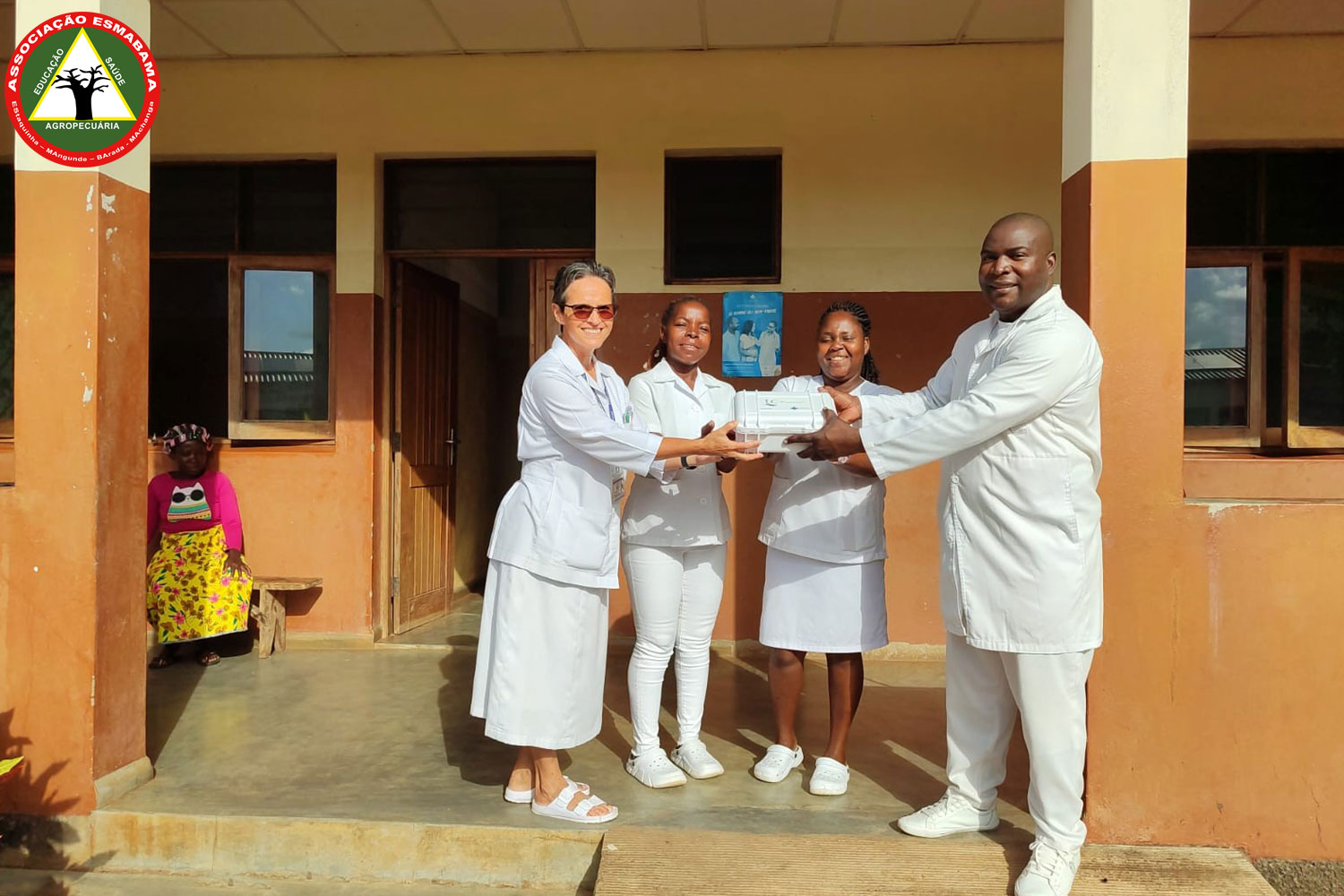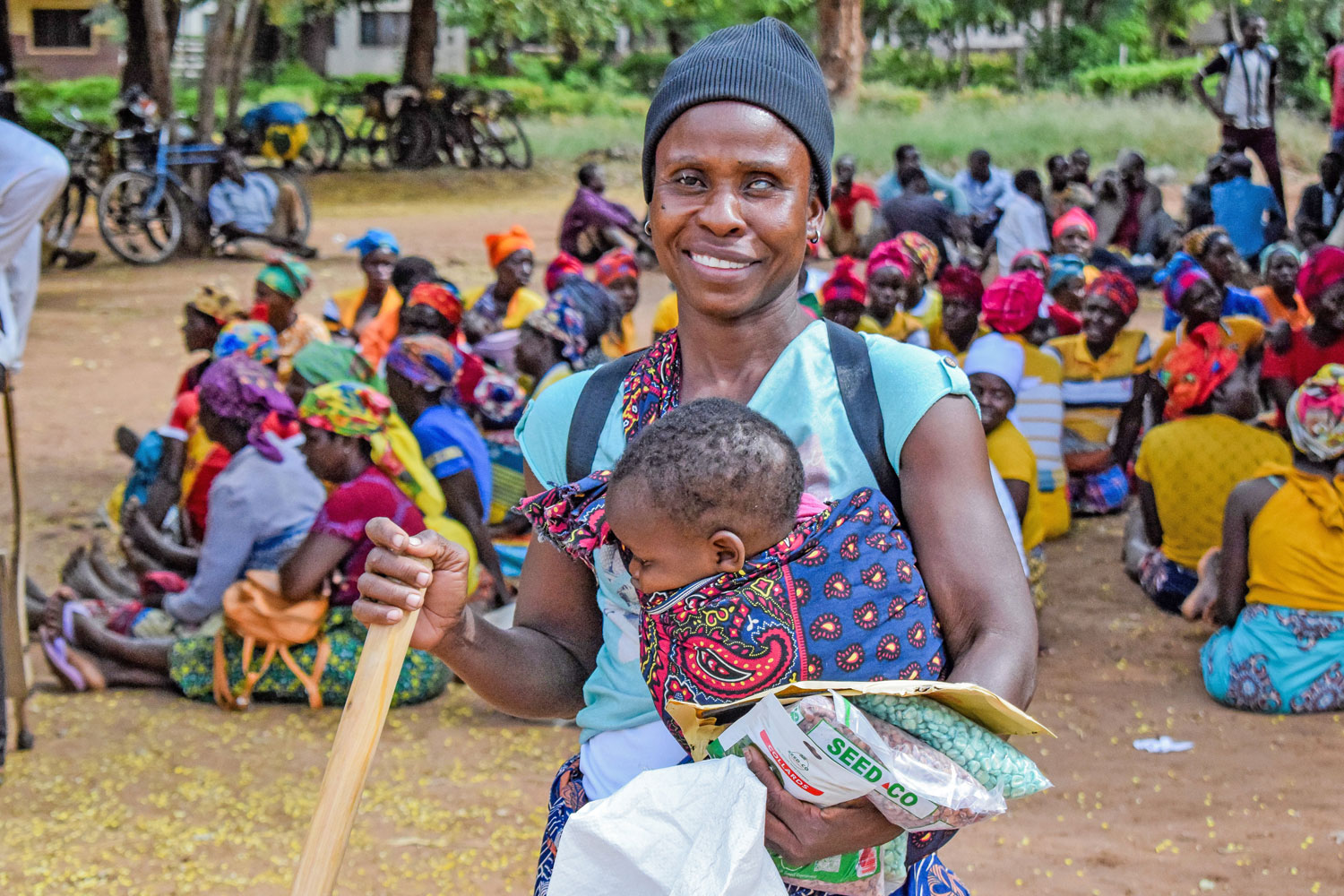

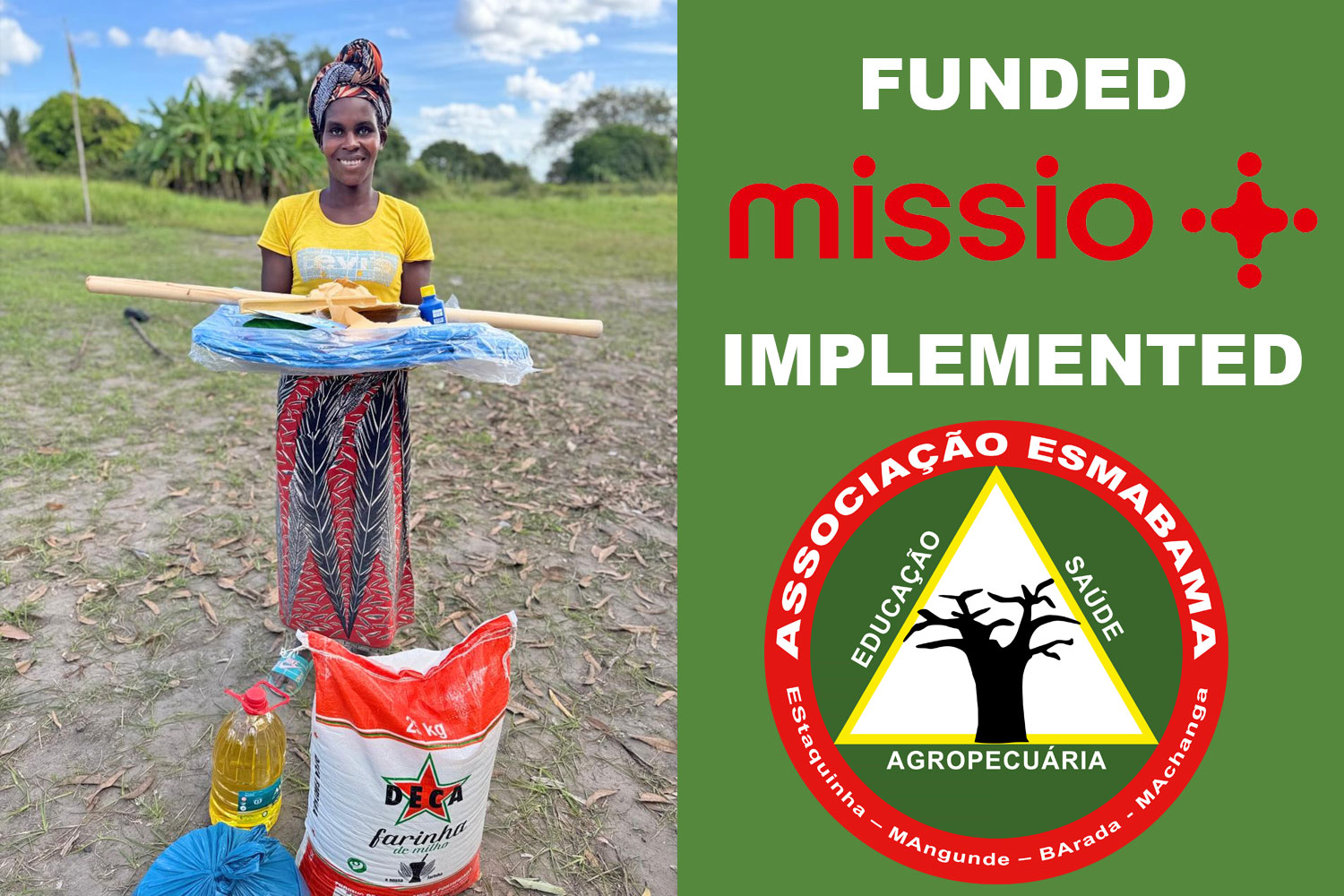
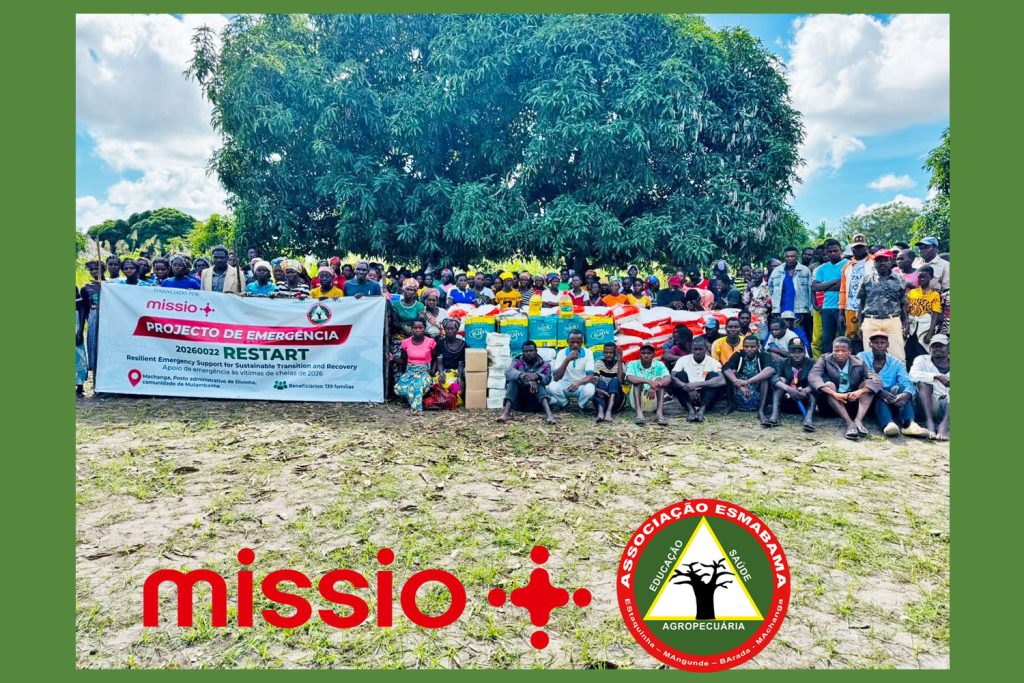
ESMABAMA delivery of food, agricultural and shelter supplies through the project the Resilient Emergency Support for Sustainable Transition and Recovery (Restart) project, funded by Missio Austria. The initiative responded to the devastating floods that severely affected communities in Mutambanhe, Divinhe Administrative Post, Machanga District, Sofala Province.
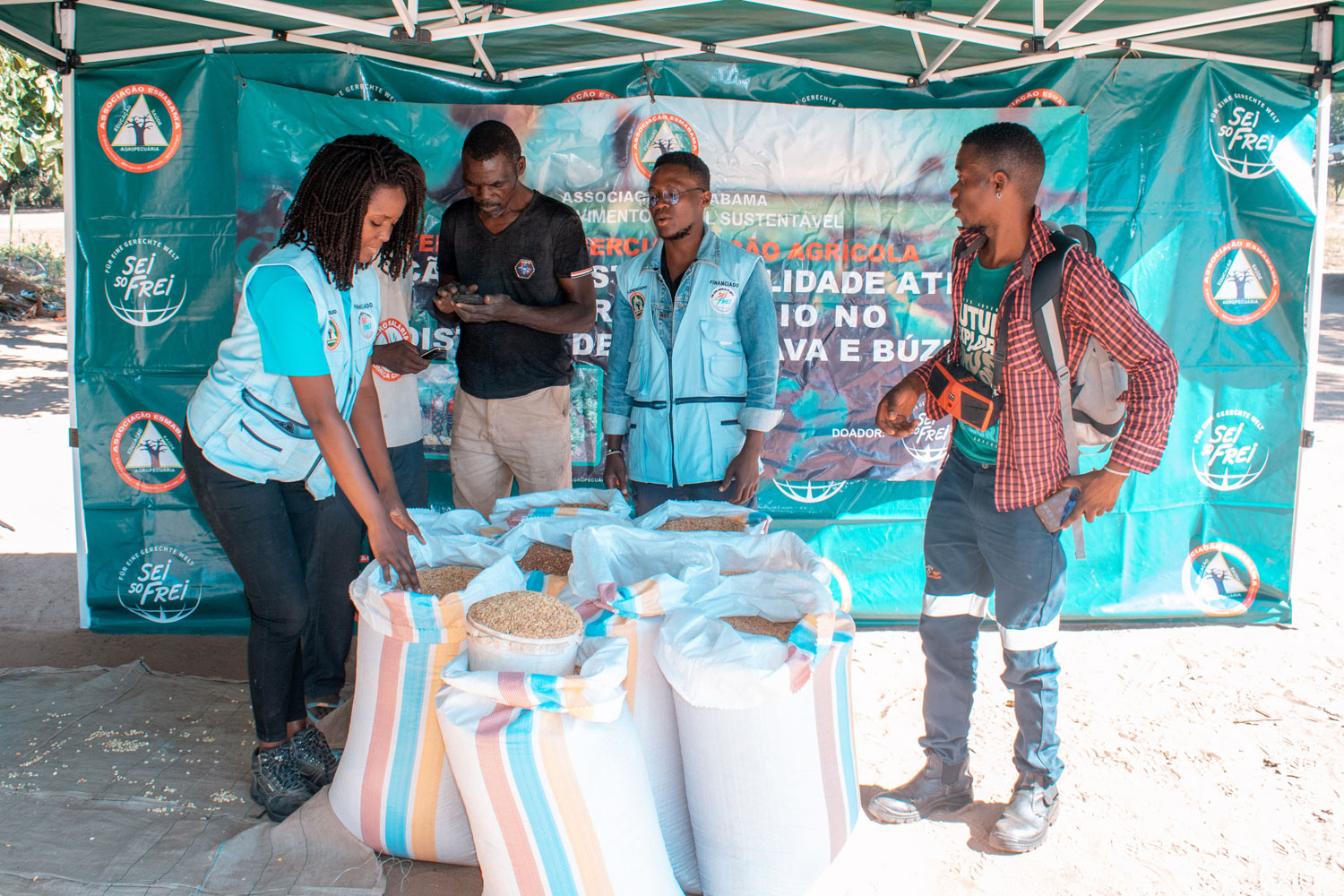
The distribution directly supported 139 people. Later, the same project carried out a further distribution of seeds that had been identified as a priority following the first distribution: onion, string beans and peanuts.
Each family received an agricultural kit containing:
• 1 kg of ZM 523 maize seed
• 1 kg of Mondi sesame seed
• 1 kg of IT16 cowpea seed
• 10 g of Rio Grande tomato seed
• 10 g of Troxuda cabbage seed
• One hoe with a wooden handle
Food assistance included:
- 25 kg of maize flour
- 5 litres of cooking oil
- 10 kg of common beans
Families also received shelter kits containing:
- A 4 x 6 m tarpaulin
- A mosquito net
- Laundry soap
- Water purification solution
Households in Mutambanhe commonly include between seven and ten members, although some consist of an elderly grandparent caring for a grandchild.
Following the floods, many affected families relied on neighbouring communities for survival, where some received seeds for planting.
Delivering aid to a remote community
Reaching Mutambanhe remains an enormous logistical challenge. From Machanga town, where ESMABAMA‘s mission is based, the journey begins with approximately 40 kilometres of severely damaged road to the Divinhe turn-off. From there, a further 70 kilometres of unpaved road lead to Divinhe, a journey that can take around four and a half hours and becomes almost impassable during the rainy season.
From Divinhe to Mutambanhe, access is only possible by motorcycle or by boat. Under normal conditions, the road journey takes around two hours, but during the rainy season it can take up to four hours or become impossible because of flooded tracks.
Transporting relief supplies by boat also requires careful coordination and depends entirely on tidal conditions. The first shipment of agricultural and food supplies departed Divinhe at 7:00 a.m. and arrived in Mutambanhe at approximately 5:00 p.m. Shelter materials and non-food items left at 8:00 p.m. and reached the community at 6:00 a.m. the following day, with stopovers along the Buene riverbank and Chiloane Island.
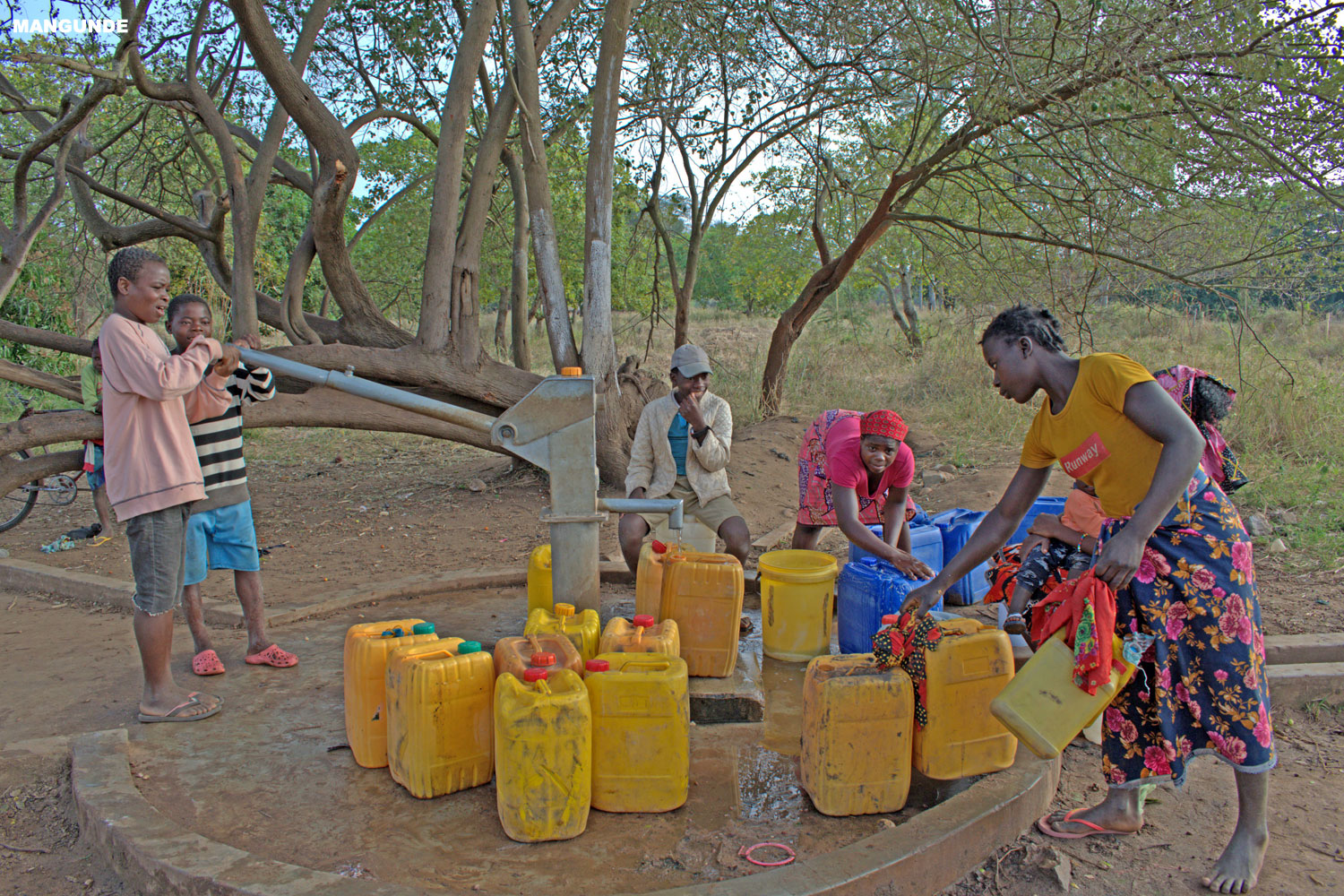
Mutambanhe also faces serious challenges in accessing safe drinking water. Following the floods, several malaria cases were reported, aggravated by poor sanitation and contaminated water sources. Mobile phone coverage is weak, and accommodation infrastructure is almost non-existent. During the mission, the ESMABAMA team stayed in a house in a severely deteriorated condition.
Awareness raising before distribution
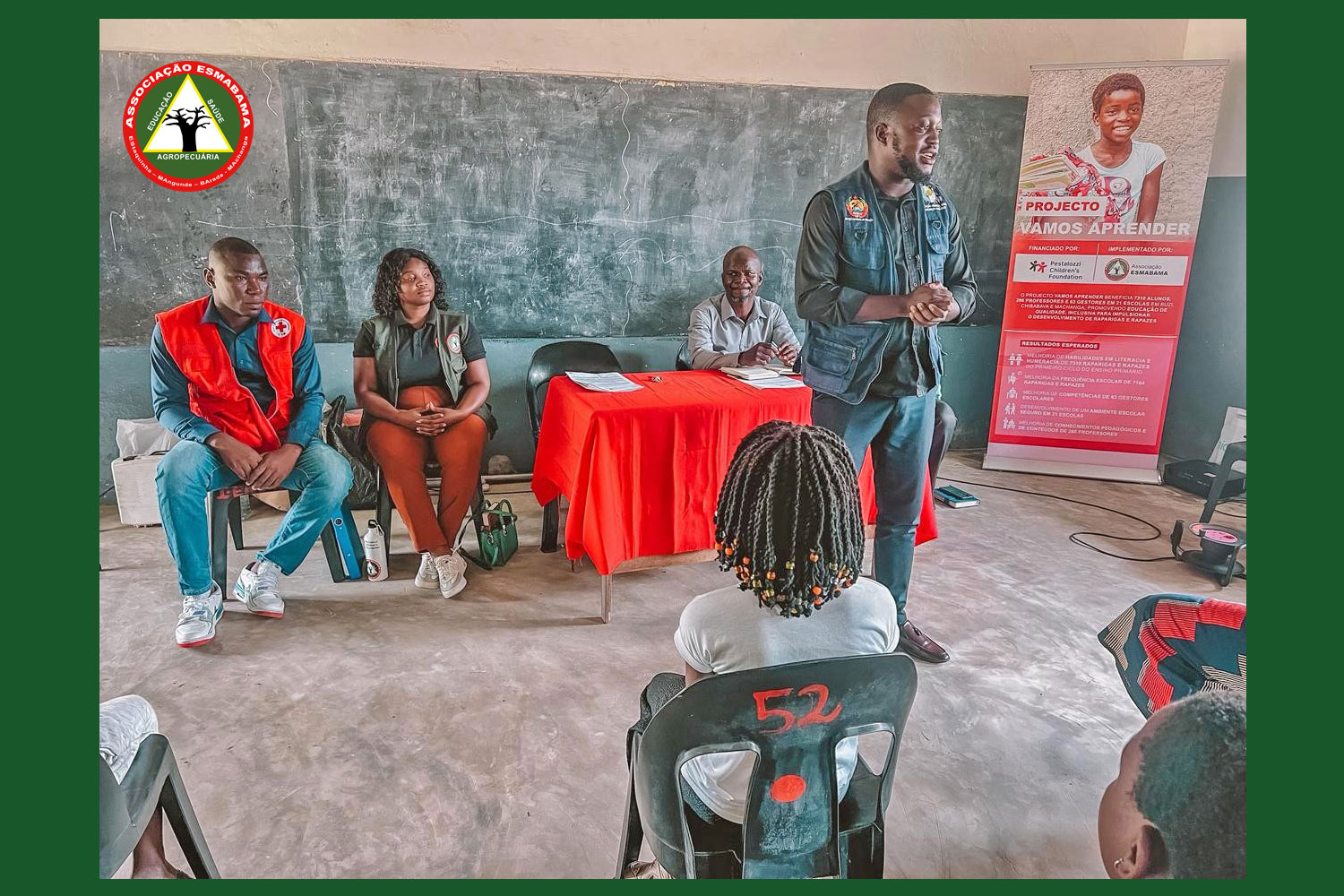
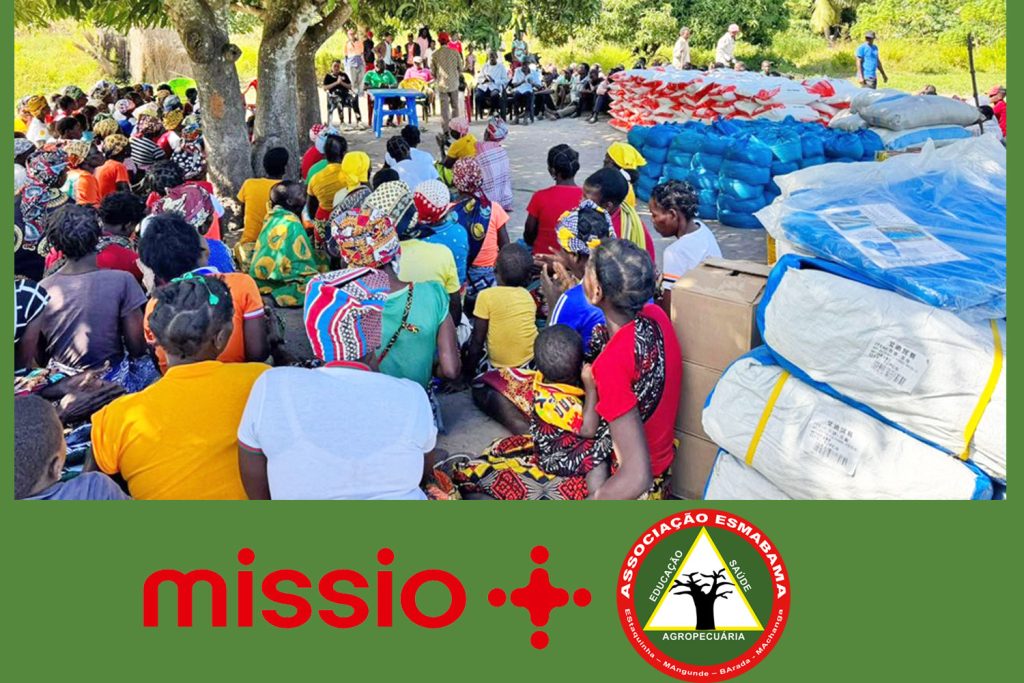
Before distributing the relief items, beneficiaries attended an awareness session led by Project Coordinator Joaquim Moiana. He explained the correct use of shelter materials and provided guidance on planting and managing the distributed seeds to help families make the best use of the agricultural inputs.
While in the community, ESMABAMA found that the number of affected households was significantly higher than originally estimated. According to the National Institute for Disaster Management (INGD) in Machanga, 139 families received assistance, while 228 additional affected families living outside the temporary accommodation at Mutambanhe School were not included in this distribution.
Commenting on the process, Alberto Chompala Luís noted:
“When people are struggling to survive and some receive assistance while others do not, previous experience has shown that tensions can arise. However, ESMABAMA organised the distribution very well, and beginning with awareness sessions contributed greatly to a peaceful and orderly process.”
Hope in fertile land
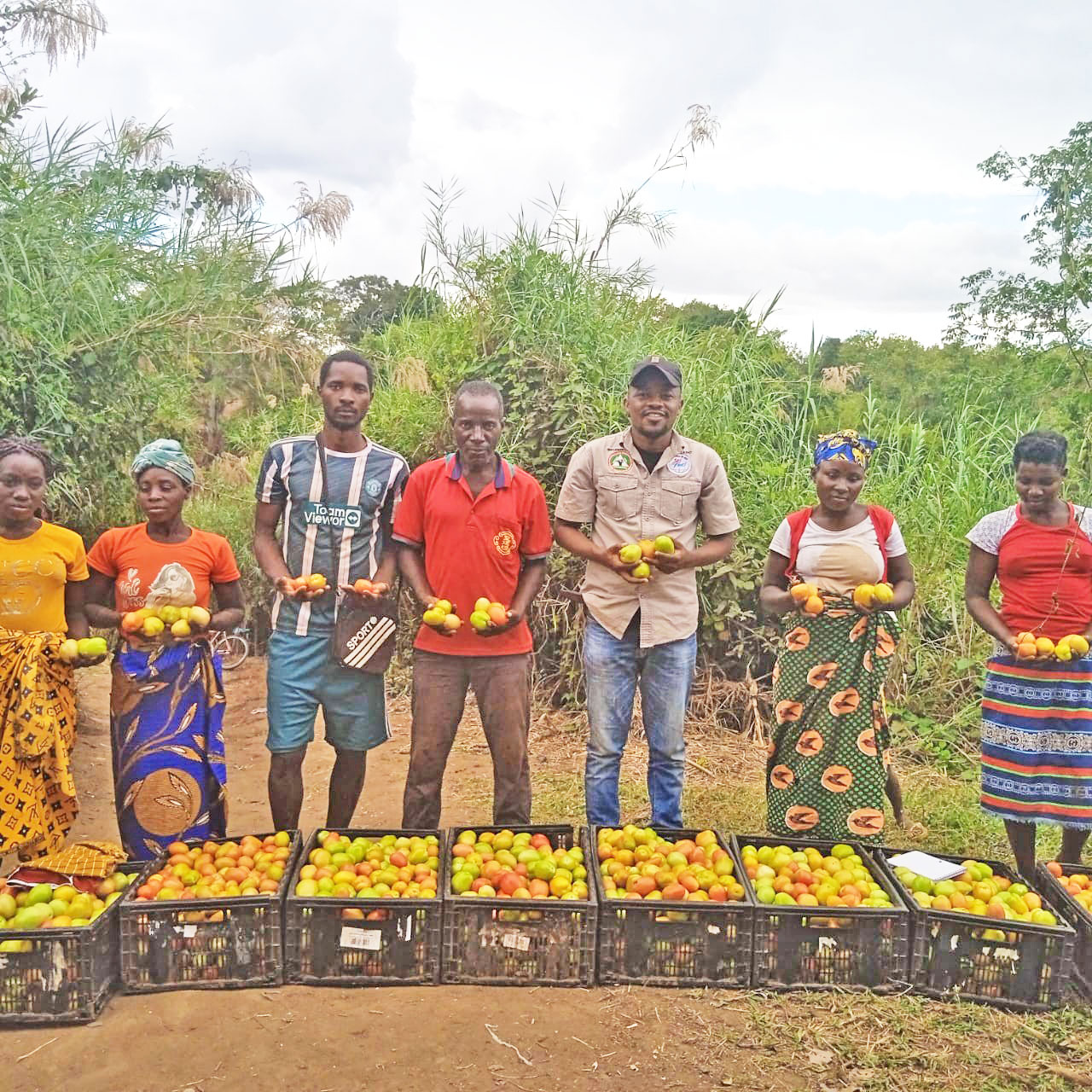
Despite the many challenges, Mutambanhe has exceptionally fertile land with strong agricultural potential, attracting farmers from neighbouring communities.
The support provided through the Restart Project represents not only an emergency response but also an investment in restoring livelihoods and helping families rebuild their future.
ESMABAMA remains committed to supporting vulnerable communities by delivering hope, dignity and humanitarian assistance to those who need it most.