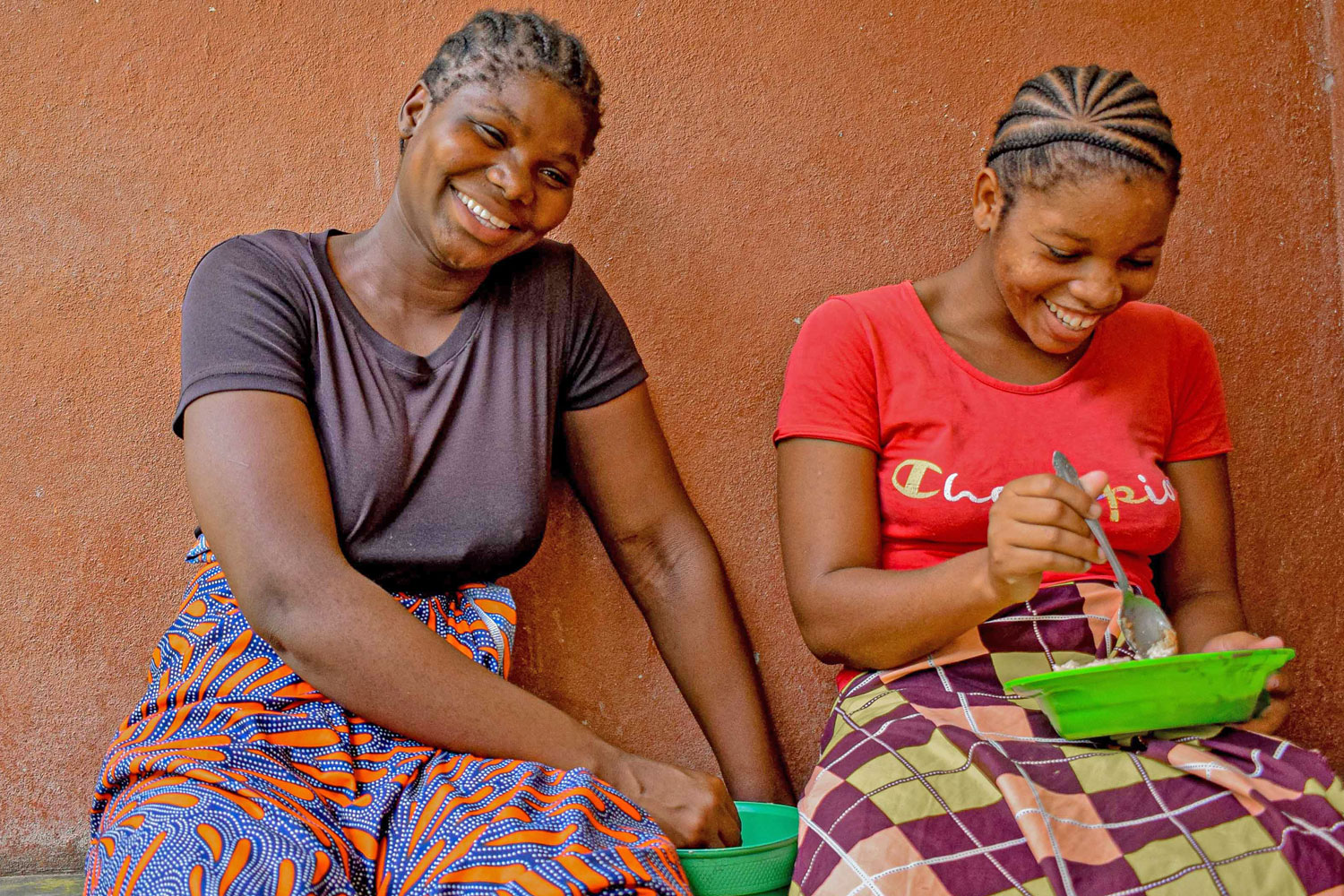
Food support and boarding school rehabilitation are bringing renewed hope to around 464 students living in mission boarding schools. To strengthen food security, ESMABAMA signed a cooperation agreement with Caritas Bolzano, through which the Italian organisation will provide €50,000 per year for 3 years to purchase food for the boarding schools.
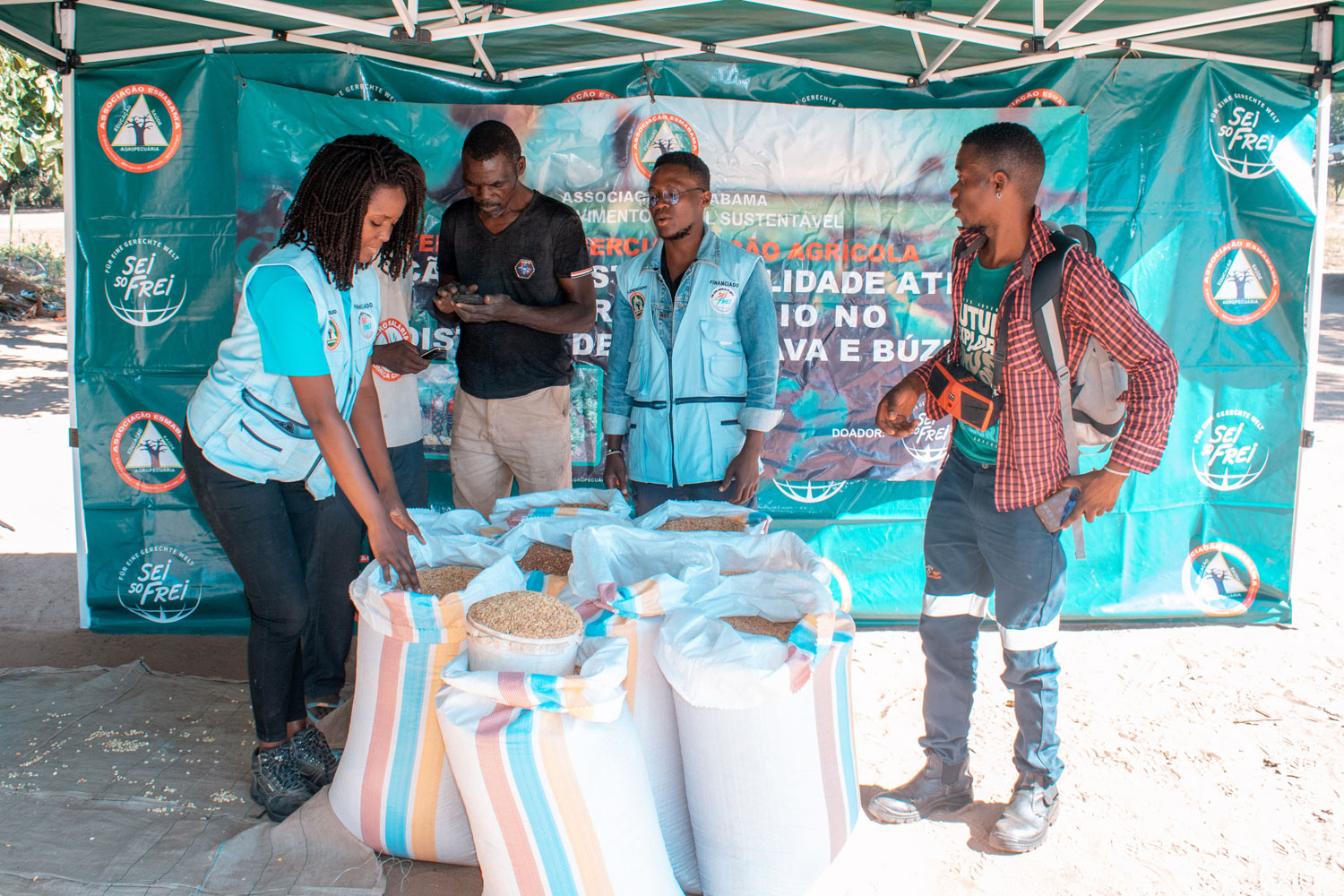
The funding covers essential food items such as maize, beans, cooking oil, salt and sugar, ensuring a more stable and reliable food supply for resident students.
Combined with students’ boarding fees, this support significantly eases ESMABAMA’s financial burden by covering around one-third of the boarding schools’ overall needs.
However, major challenges remain, as operating costs extend far beyond food provision. Expenses include electricity, hygiene supplies, infrastructure maintenance, staff salaries and security. At present, there is no dedicated project providing comprehensive support for the boarding schools, making the agreement with Caritas Bolzano one of the few structured sources of funding available.
Rehabilitation of the estaquinha boys’ boarding school
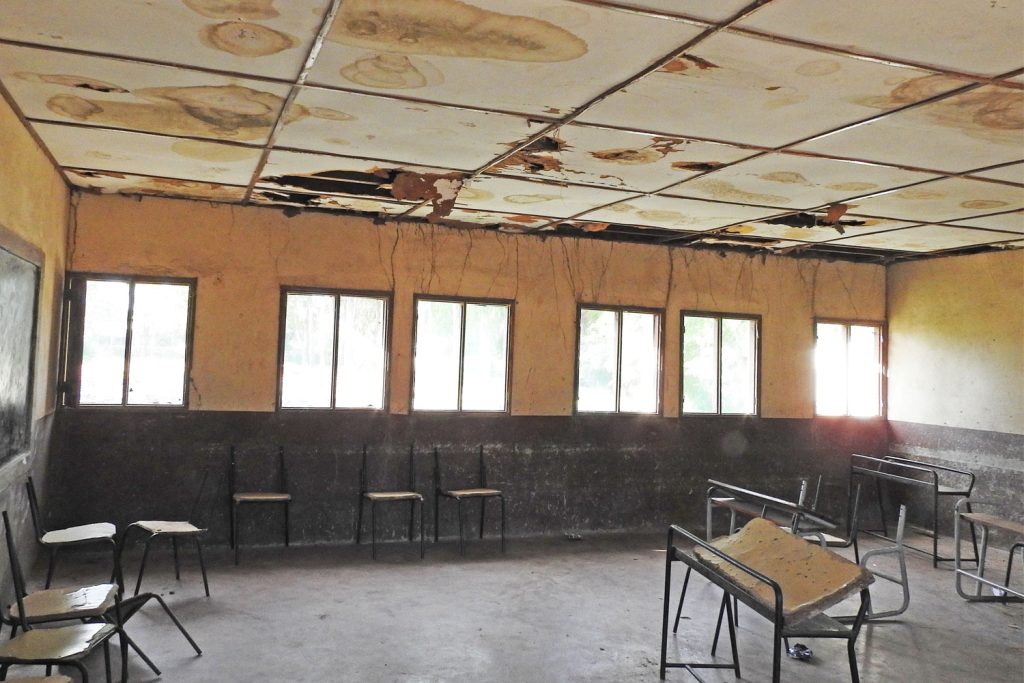
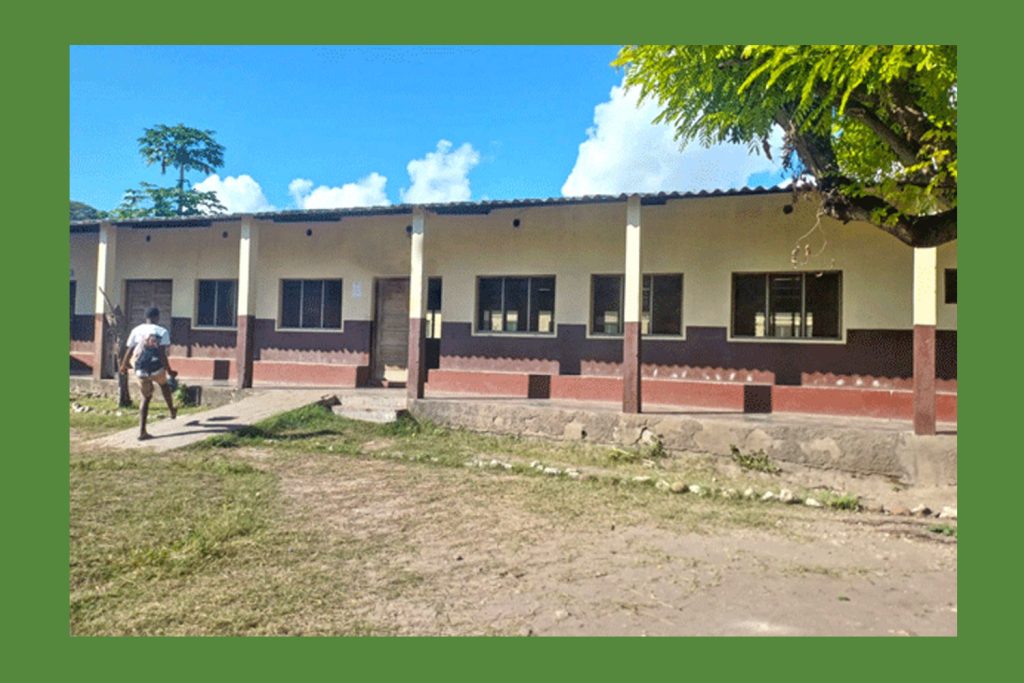
Using the remaining funds from the LIFE Project, ESMABAMA rehabilitated the boys’ boarding school in Estaquinha to improve living conditions for students.
The works included the construction of a new roof structure and roof replacement, upgrades to the electrical system, rehabilitation of walls in two rooms, new flooring, reinforcement of structural pillars, and the installation of new doors and windows. These improvements have provided students with a safer, more comfortable and more dignified living environment.
Significant challenges remain
ESMABAMA sincerely appreciates the support received and the authorisation to use the remaining LIFE Project funds to rehabilitate the Estaquinha boys’ boarding school. Nevertheless, considerable investment is still needed to improve infrastructure across the boarding schools in all four missions.
Continued support from partners and donors will remain essential to ensure that students from rural communities can continue their education in safer, more dignified and more supportive environments.