
Kukumuka is the collective brand created for the agricultural cooperatives of Barada, Estaquinha, and Mangunde. It marks an important milestone in strengthening the cooperatives supported by the Sustainable Rural Development Project, implemented by the ESMABAMA Association with funding from Sei So Frei OÖ. The name was developed through a participatory process, with cooperative farmers taking part in discussions and jointly selecting the brand.
The initiative responds to the need to give greater identity and visibility to agricultural products grown by the cooperatives. Many farmers still struggle to differentiate their products in the market and remain heavily dependent on intermediaries, often resulting in post-harvest losses or the sale of their produce at prices well below its true value.
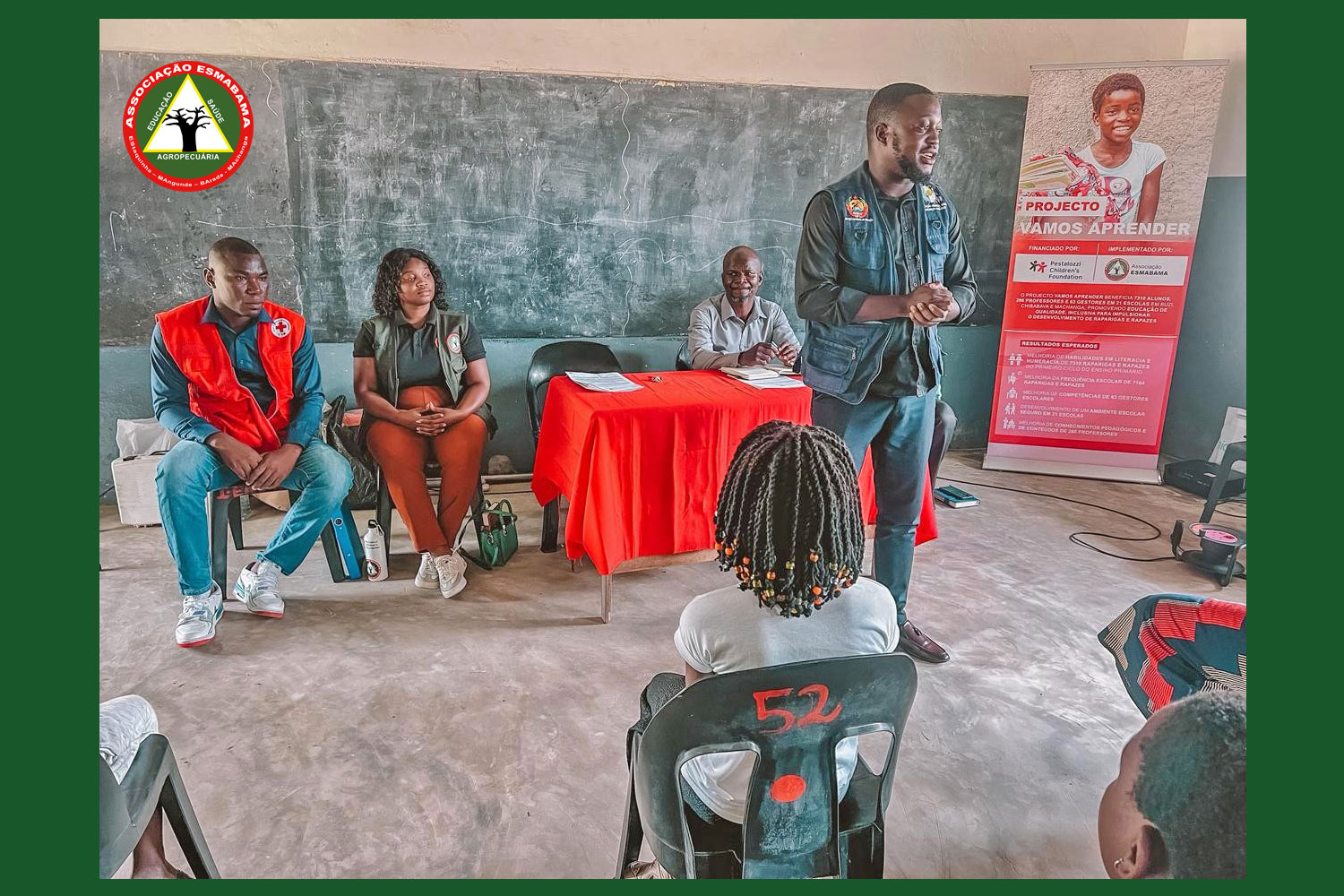
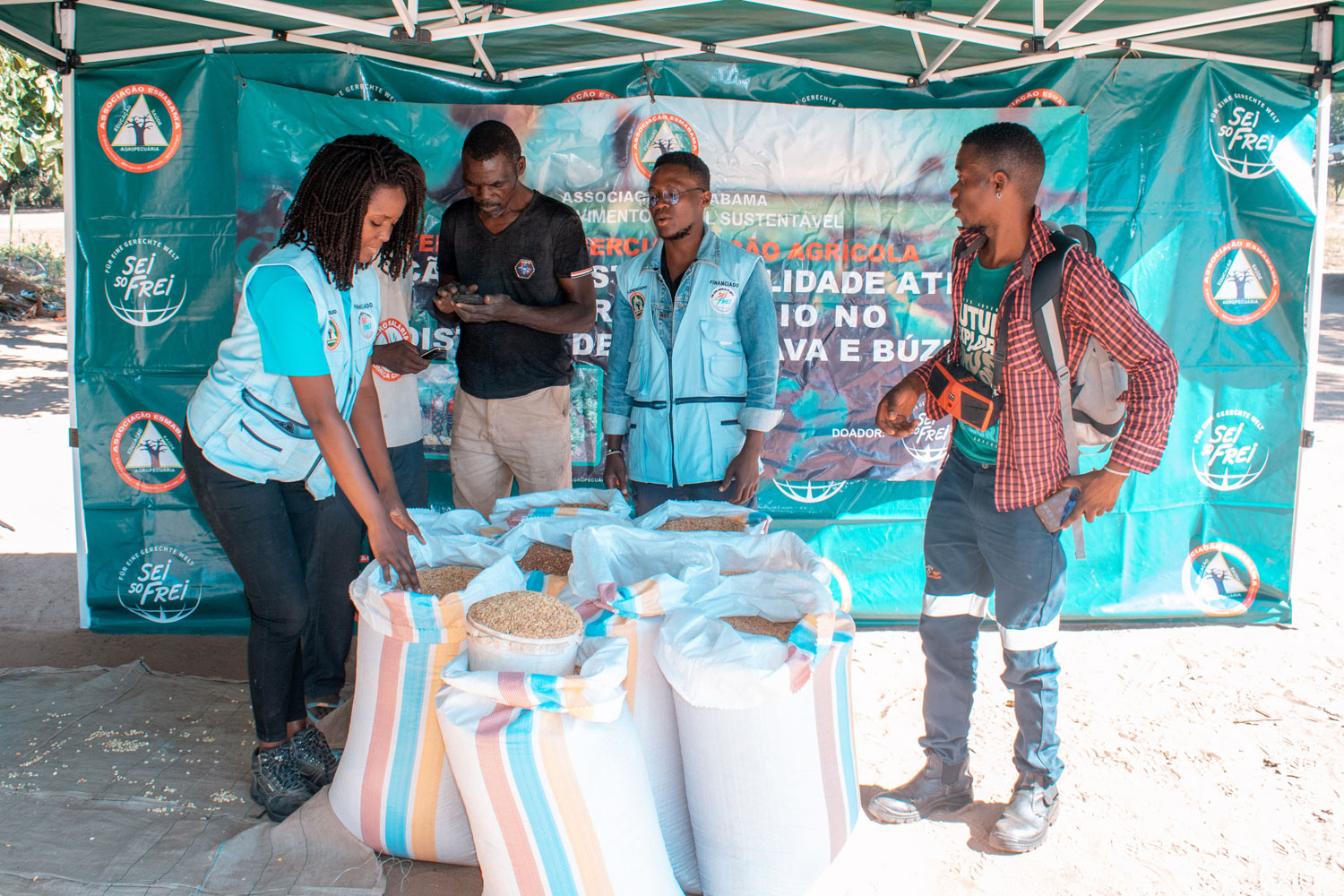
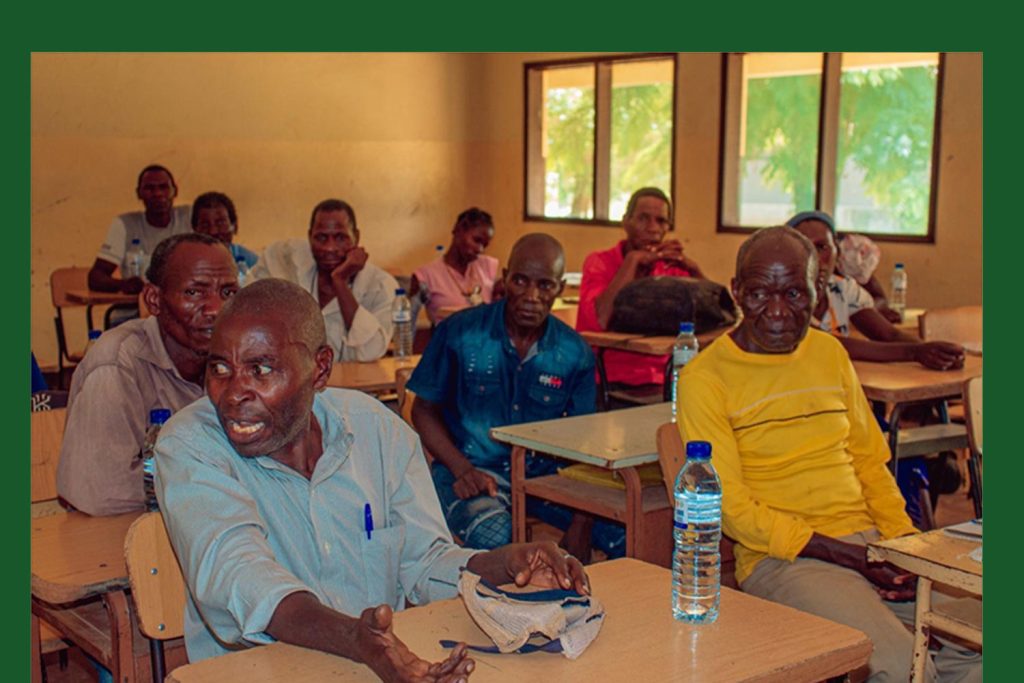
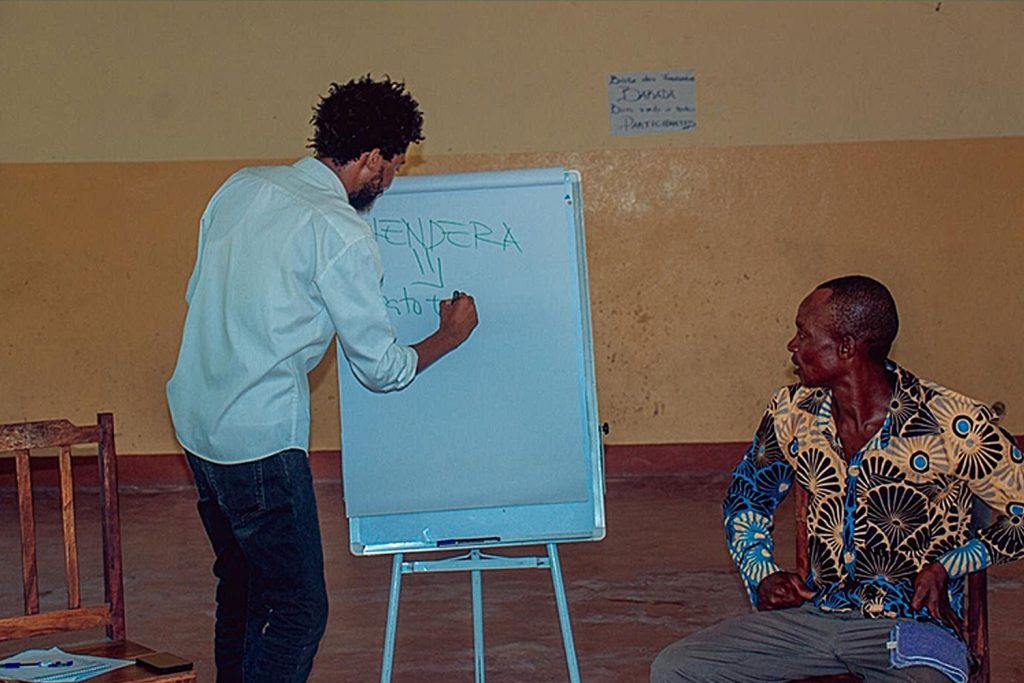
Discussion about the Kukumuka brand name
Kukumuka refers to the process in which cereals expand and increase in volume when cooked, a phenomenon commonly observed in rice and other grains. For cooperative members, this image symbolises transformation, growth and prosperity. The name reflects the communities’ aspiration to expand agricultural production, improve household livelihoods and strengthen the rural economy through organised family farming.
“We are happy to have this brand because the name represents us. Anyone who hears about Kukumuka will know they are buying our product, cooking it and seeing it increase in volume, because we know our produce is of high quality,” said Jaquim Volande, President of the Kuguta Kuchanda Cooperative in Djambe Muchanguene.
Discussion about the Kukumuka brand name
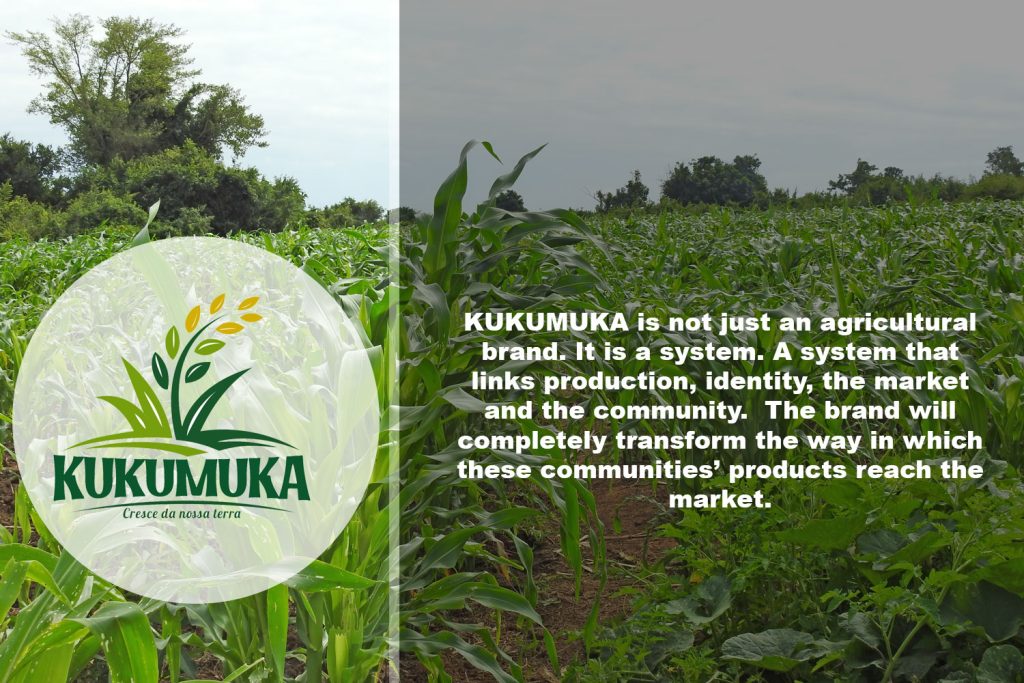
Creating a collective brand represents far more than choosing a name or designing a logo. For producers, the Kukumuka brand is a strategic tool that makes their products easily recognisable, strengthens consumer confidence and opens up new marketing opportunities, including access to new markets and participation in agricultural fairs.
Under this shared identity, products such as rice, maize, beans, sesame, sorghum (mapira) and vegetables now carry a clear indication of origin and a recognised symbol of collective quality. Registering the brand will also provide legal protection for the cooperatives, preventing unauthorised use of the name while reinforcing the credibility of agricultural products from these communities.
Alongside the development of the Kukumuka marketing strategy, cooperative products are no longer anonymous commodities sold in local markets. Instead, they are increasingly recognised for their quality, origin and value. As a result, agricultural production in the communities of Barada, Estaquinha and Mangunde has gained not only a brand, but also a powerful symbol of organisation, rural development and hope for local producers.