

Edson Balata – General Director of ESMABAMA
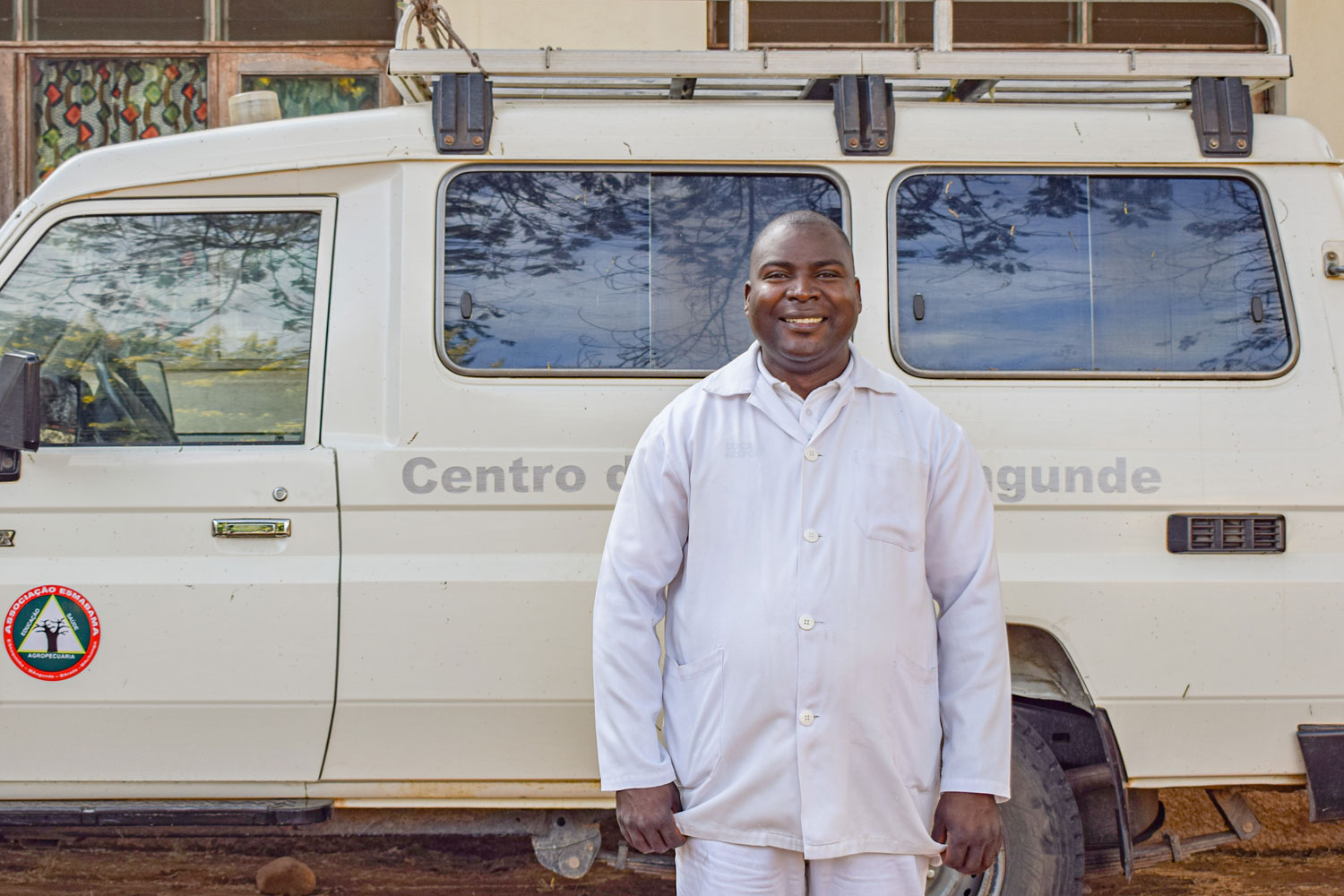
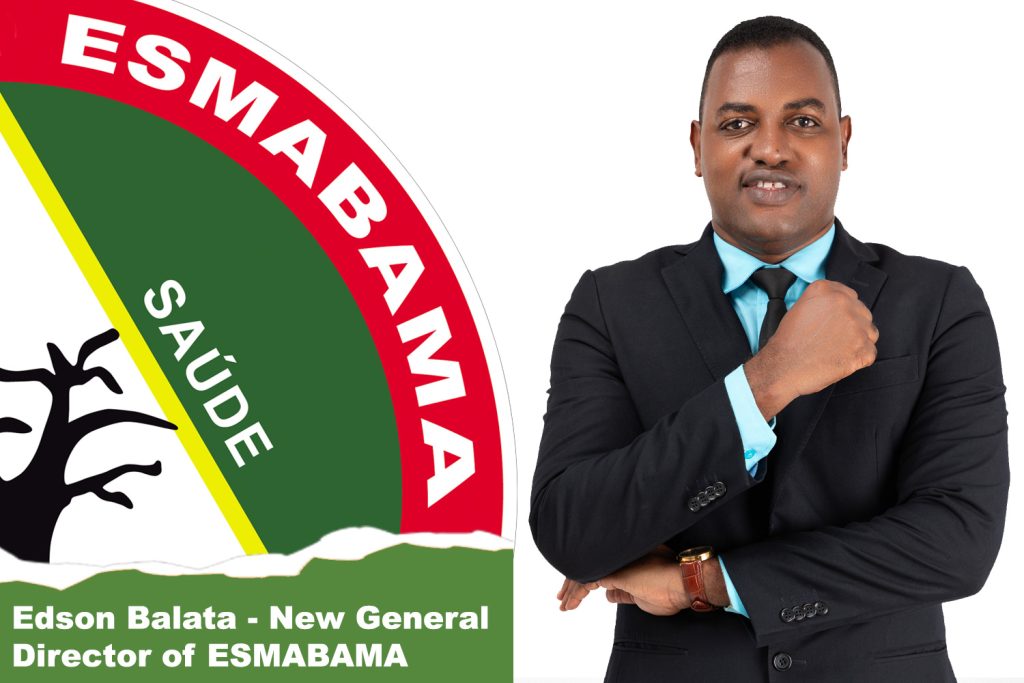
Edson Balata is the new General Director of ESMABAMA, and the organisation enters a new chapter in its history under his leadership. In this interview, we invite you to learn more about Edson background, the values that inspire him, the challenges and opportunities shaping the future of ESMABAMA.
ANSWER: I am a Mozambican professional dedicated to sustainable development and social transformation, with solid experience in planning, project management, and institutional leadership. I would describe myself as someone who values rigour, transparency, and professionalism in all processes, especially administrative and financial ones. I am uncompromising against any form of corruption, nepotism, or favouritism, firmly believing that merit must be the foundation for both individual and collective growth. For that reason, I make it a priority to promote committed, competent, and ethical teams, where every leadership position is earned through effort, ability, and demonstrated value. I believe this is the only way to lead with integrity, inspire trust, and generate a positive and lasting impact in the communities we serve.
ANSWER: My path to becoming General Director of ESMABAMA has been built over years of committed work in human and community development, across different contexts and sectors. I began this journey teaching and managing in the theological field, soon moving into public health, where I coordinated projects in prevention, youth empowerment, and institutional development with ABEMO, in close collaboration with international partners. Later, while leading a construction company, I deepened my technical and organisational management skills.
Entering the field of international cooperation particularly with the NGO ESSOR marked a stage of professional consolidation, focusing on youth training and employment, institutional strengthening of community partners, and engagement with governmental entities. Afterwards, I took on responsibilities in humanitarian and resilience projects with the Mozambican Red Cross, always focused on generating direct community impact and promoting gender equality.
In parallel, I have strongly invested in academic development, notably with Bachelor’s degree in urban, District and Regional Planning and Development from the Catholic University of Mozambique. Master’s in Urban Water Cycle at the University of the Algarve and, currently, a PhD in Environment and Sustainability at NOVA University Lisbon. This has further strengthened my strategic understanding of sustainable development and environmental governance.
All these experiences naturally converged at ESMABAMA, where I have served as Project Coordinator, Deputy Director, and now General Director. Each step in my journey has helped strengthen my ability to lead with knowledge, social sensitivity, and commitment to the values that drive this association.
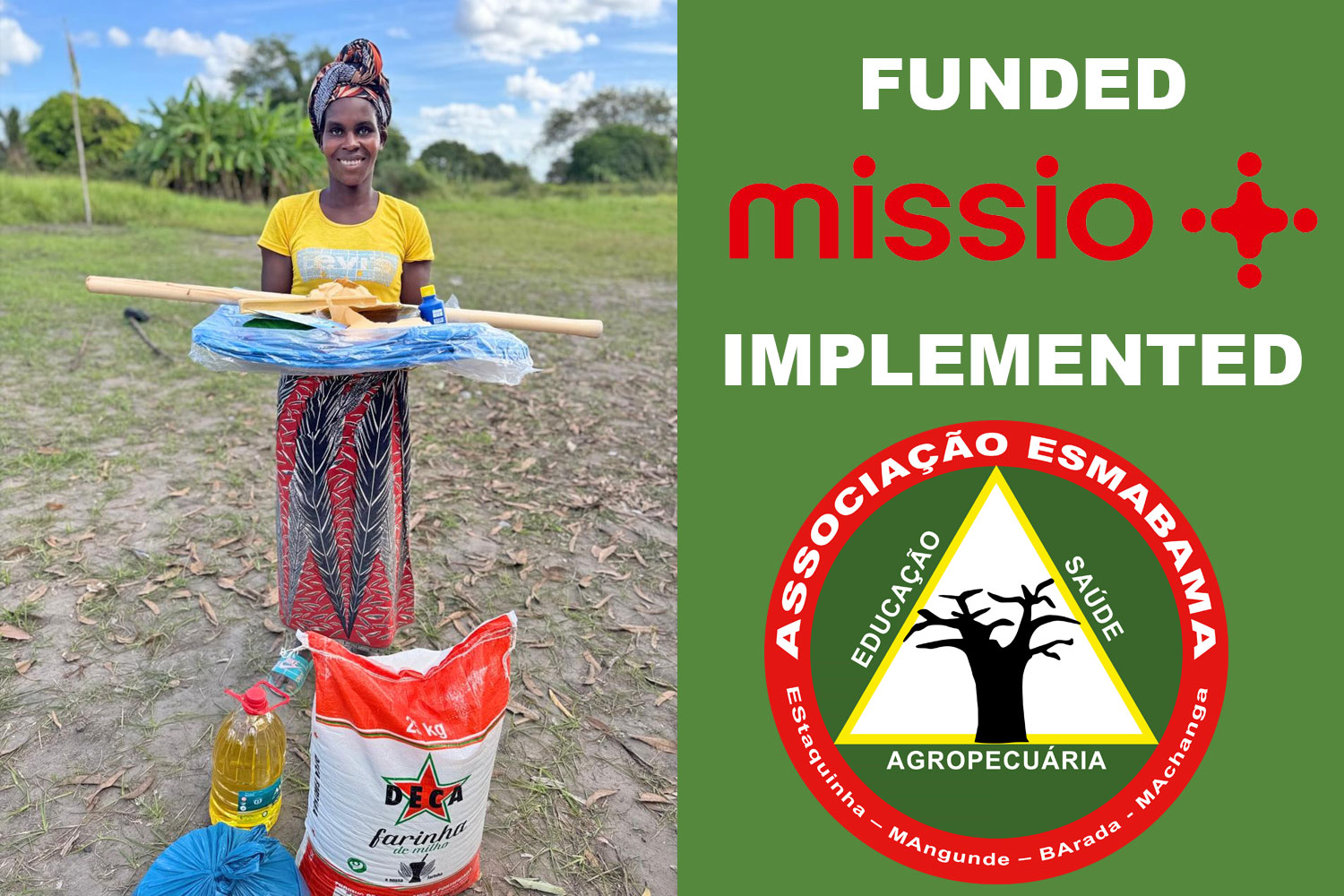
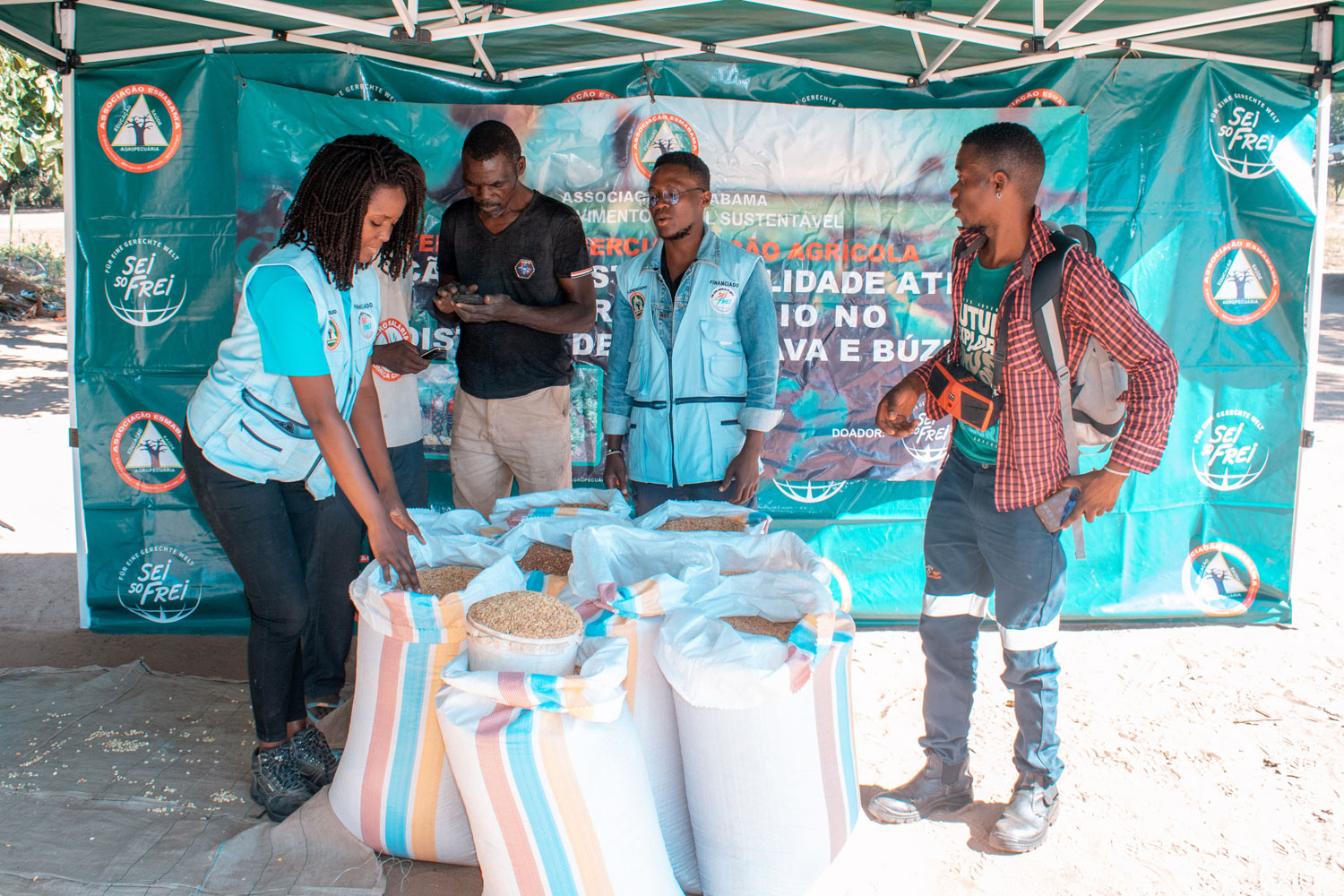
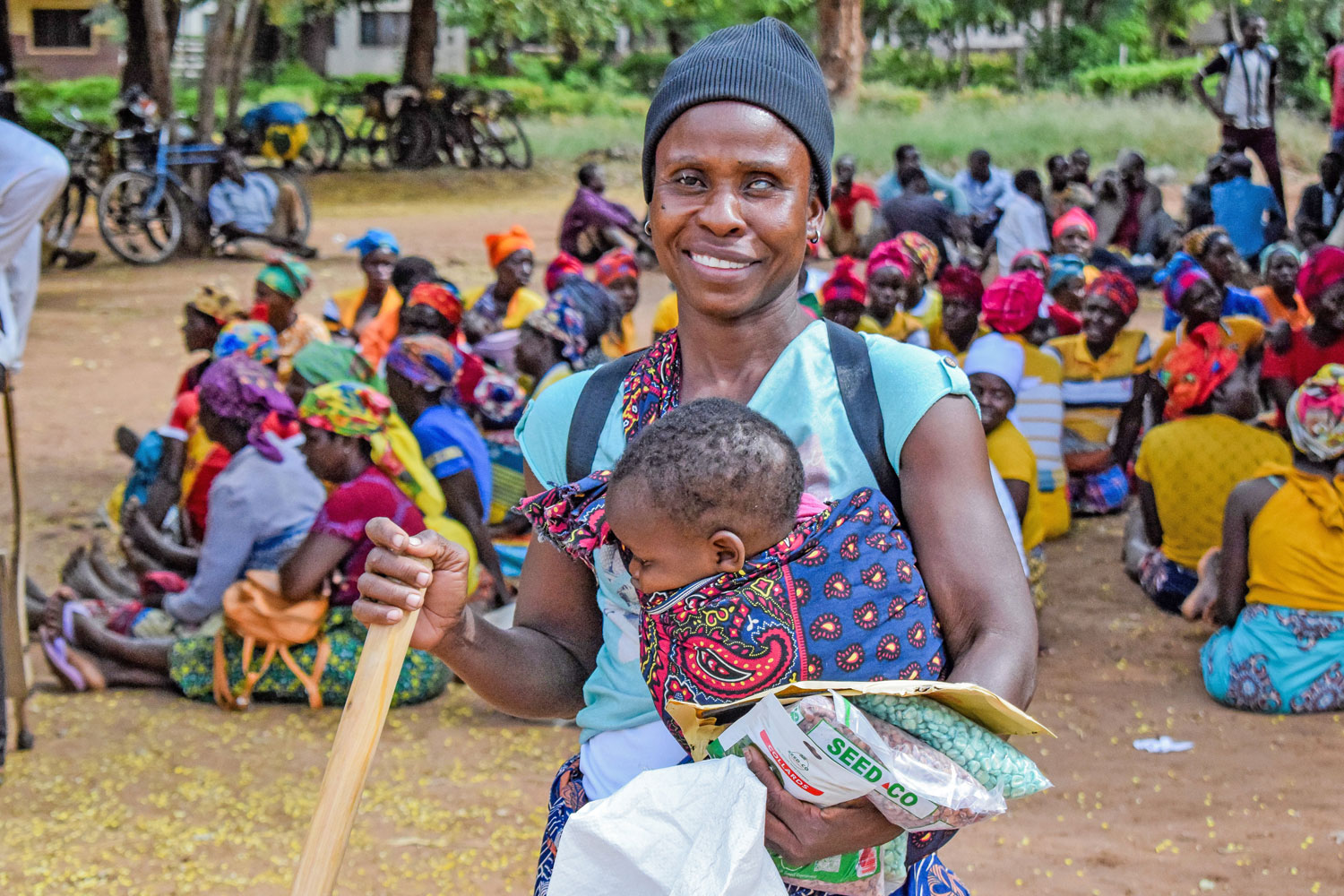
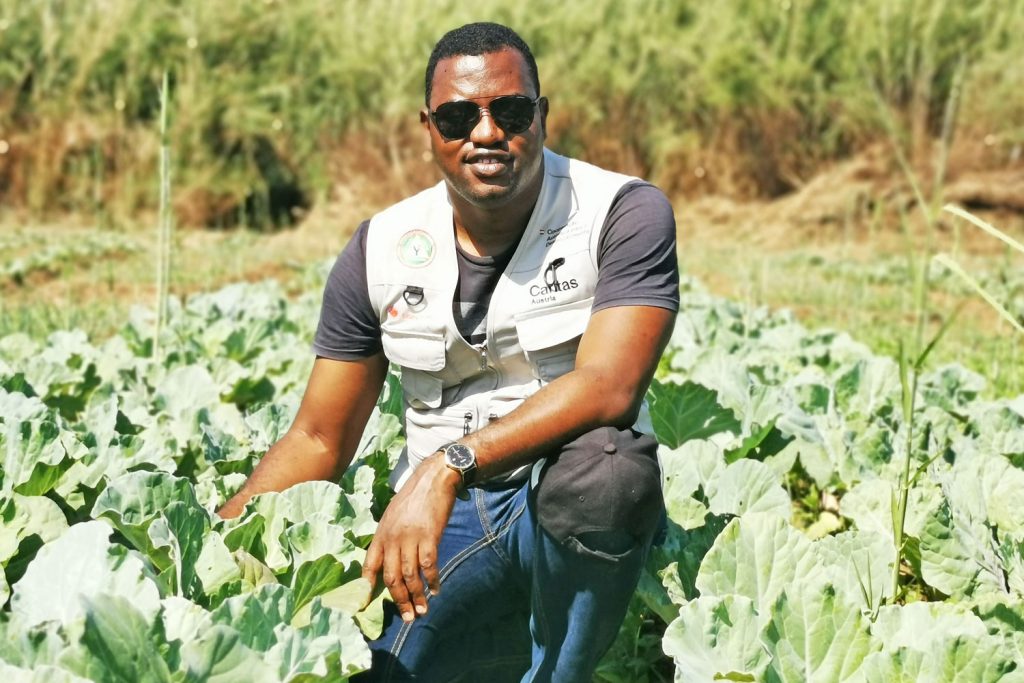
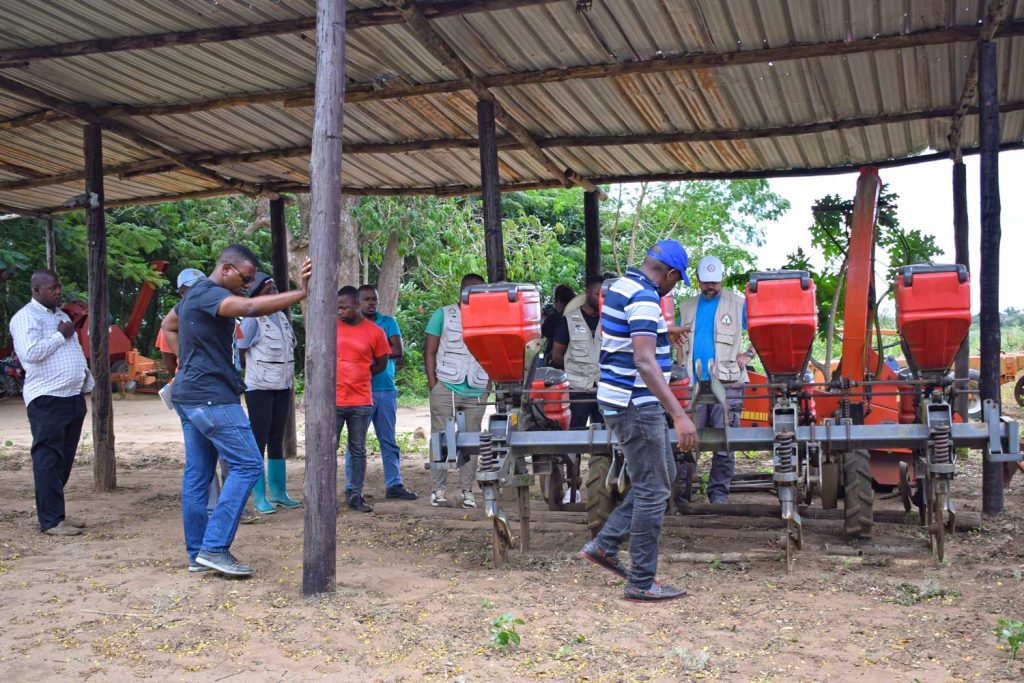
ANSWER: My main motivation is the opportunity to contribute actively and strategically to the continued growth of an organisation that stands as a reference, both in the province and at the national level. Leading ESMABAMA an organisation with more than 30 years of existence represents, for me, a chance to strengthen its social and institutional impact, promoting sustainable and inclusive development within the communities it serves. The ESMABAMA team is proud to see the tangible results of this investment, reflecting how strategic support and training can transform rural livelihoods.
ANSWER: The values that guide me as a leader are honesty and transparency, which are essential for establishing trust and integrity within the team. I firmly reject practices such as corruption and nepotism.
I value rigour in fulfilling responsibilities, combined with a pedagogical approach that fosters staff growth and empowerment. My leadership style is based on professionalism, continuous pursuit of innovation, and building collaborative, efficient, and motivating work environments.
ANSWER: It was a very positive experience. I felt privileged to join an organisation whose work I already knew and admiredboth for its visible impact on the communities it serves and for its active listening to their needs. My first impression was that I had become part of a committed team with a clear mission and a strong sense of purpose.
ANSWER: At present, the main challenges the organisation faces include:
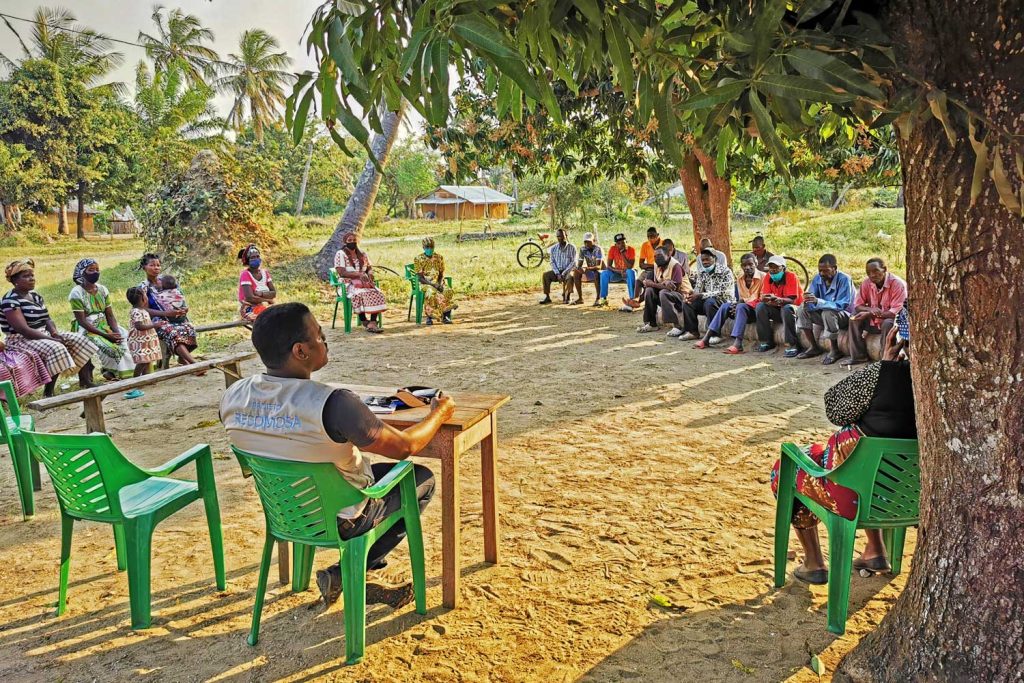
ANSWER: ESMABAMA, as a civil society organisation rooted in the communities where it operates, stands out for its permanent presence and direct engagement with people’s daily lives. This approach, which values continuity and local commitment, has been recognised and appreciated by various donors, who see ESMABAMA as a reliable partner trusted both by communities and local authorities.
There is strong growth potential in the management of agricultural and livestock spaces, as well as Catholic missions, which serve as true centres of integrated community development. This offers ESMABAMA the opportunity to act holistically across multiple areas of community life, promoting sustainable and wide-reaching impact.
Moreover, with the continued update of compliance policies and good governance practices, new space opens up to attract technical and financial partnerships, strengthening institutional capacity and expanding the organisation’s reach.
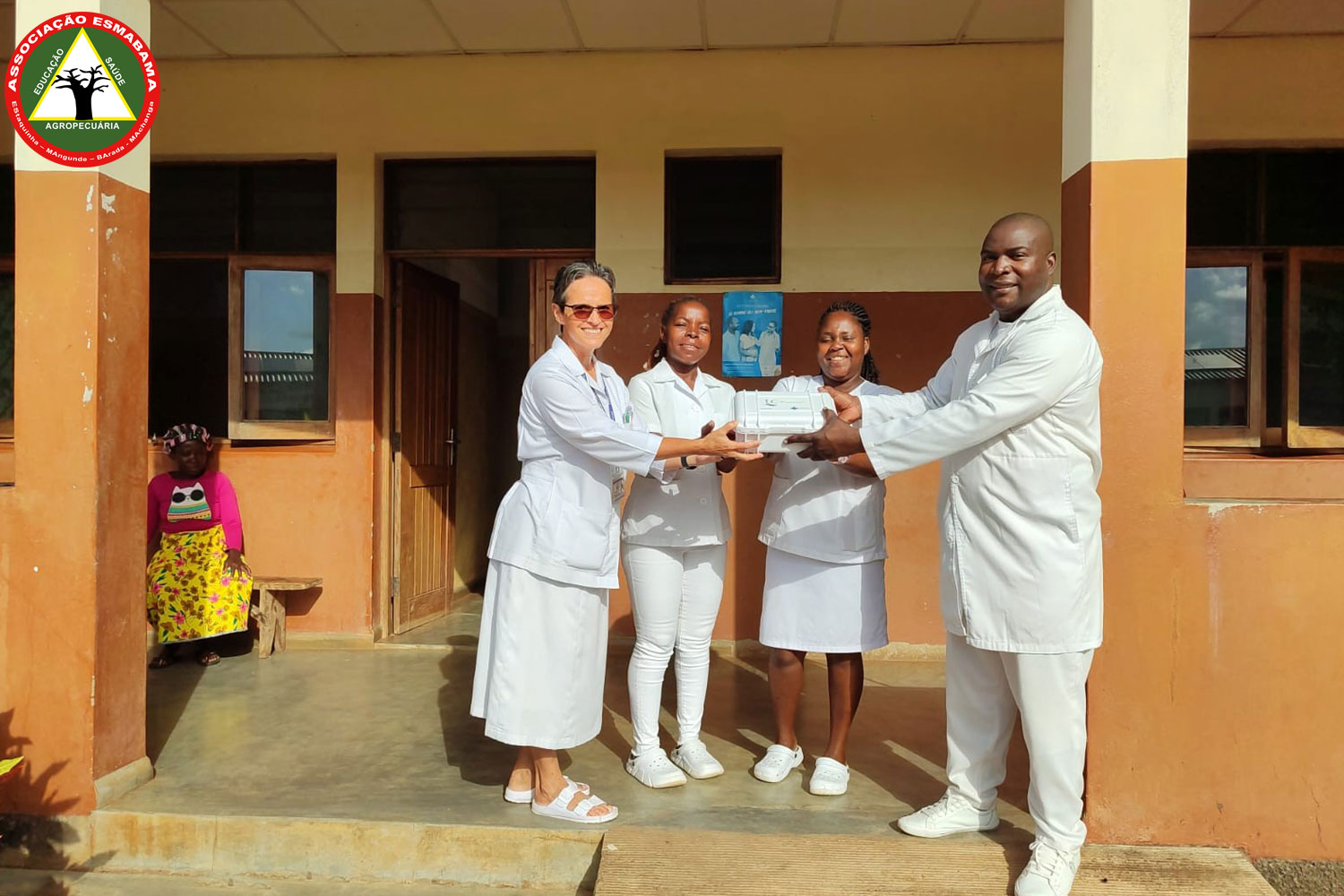
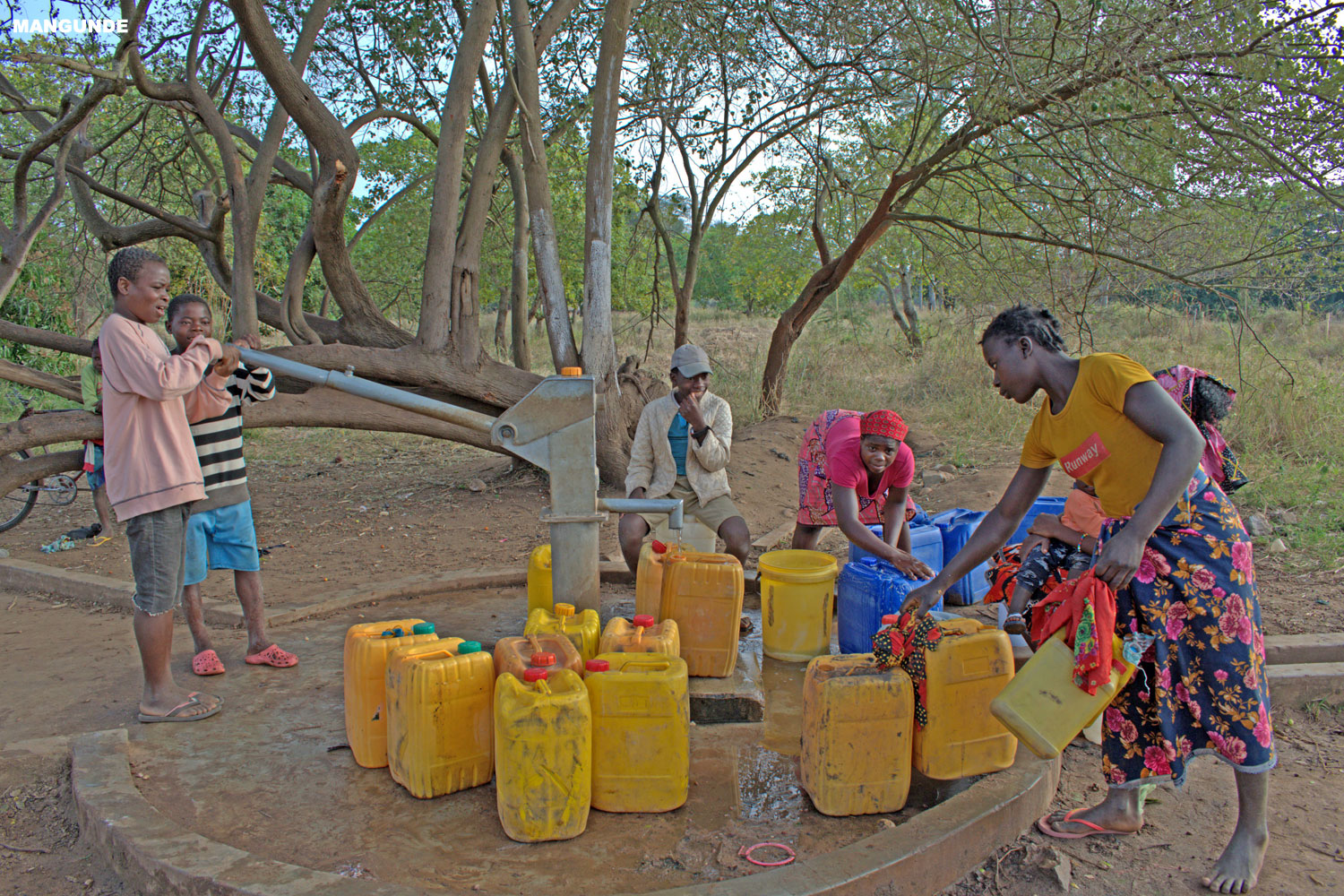
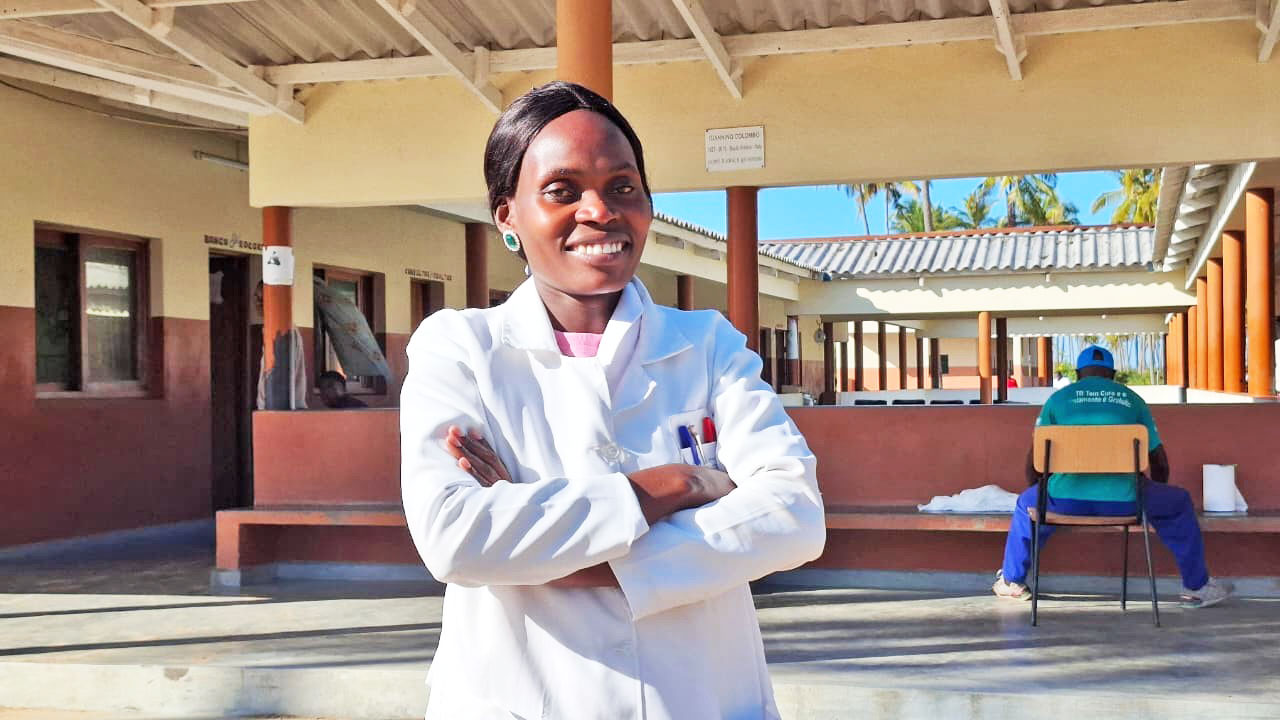
ANSWER: ESMABAMA already plays a crucial role in community development, being a reference in the provision of health services delivered with humanitarian and philanthropic spirit.
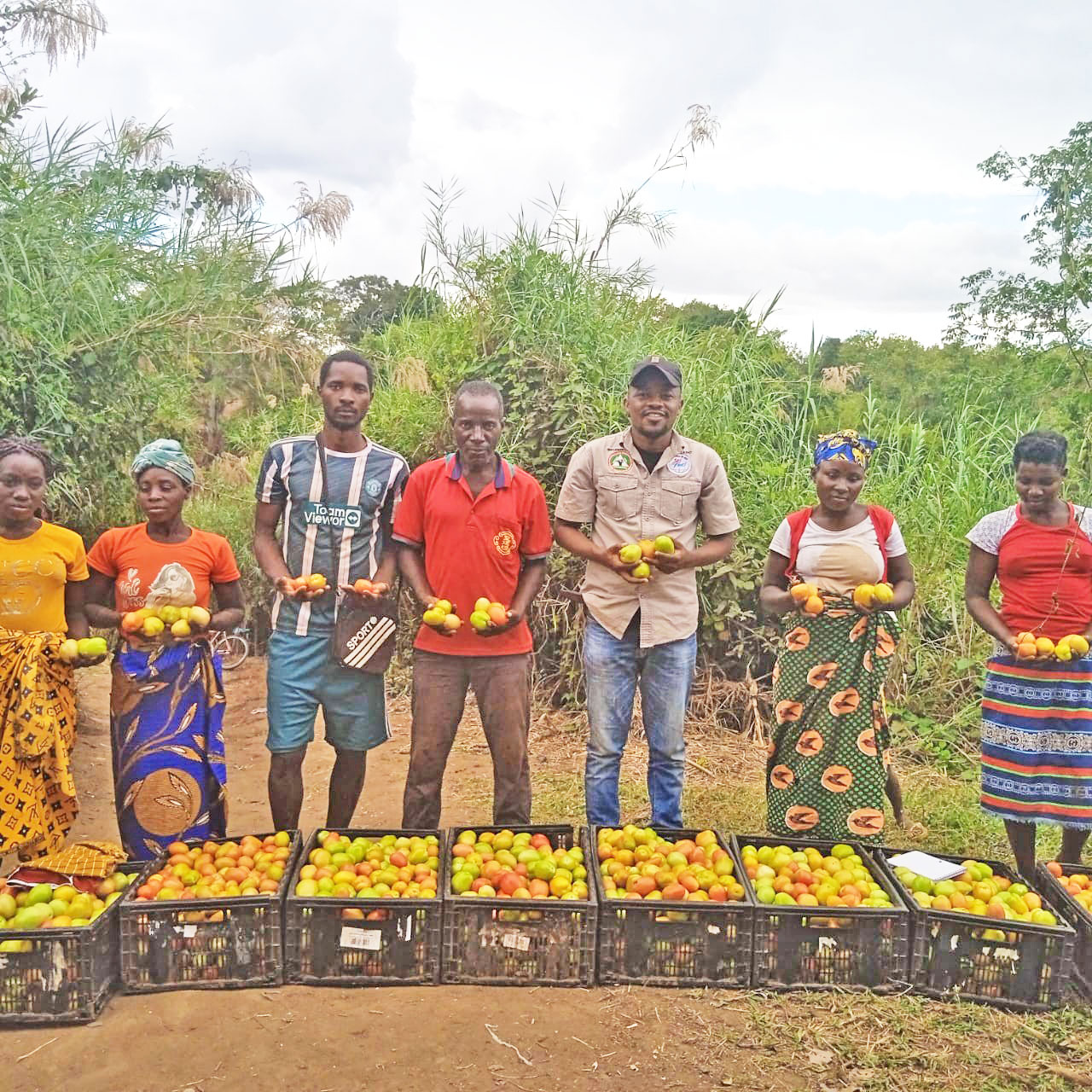
It also serves as an example of excellence in care and education, contributing significantly to the enhancement of local human capital. Through implementing good practices in income-generating activities, ESMABAMA also stands as an inspiring and replicable model for promoting community self-reliance.
The role of ESMABAMA now should be to consolidate and expand these actions, deepening its positive and sustainable impact within communities.
ANSWER: Five years from now, under my leadership, I envision ESMABAMA as a financially sustainable organisation, more efficient in its internal management. Through the ongoing restructuring plan, ESMABAMA will be able to significantly reduce its dependence on external funding by investing in local productive activities such as agriculture, livestock, school services, and accommodation.
This new vision will not only generate income to cover operational expenses but also strengthen the role of missions as centres for integrated development. Simplifying the organisational structure, promoting functional versatility among staff, and carefully reviewing contracts will ensure a leaner, more motivated, and value-driven team.
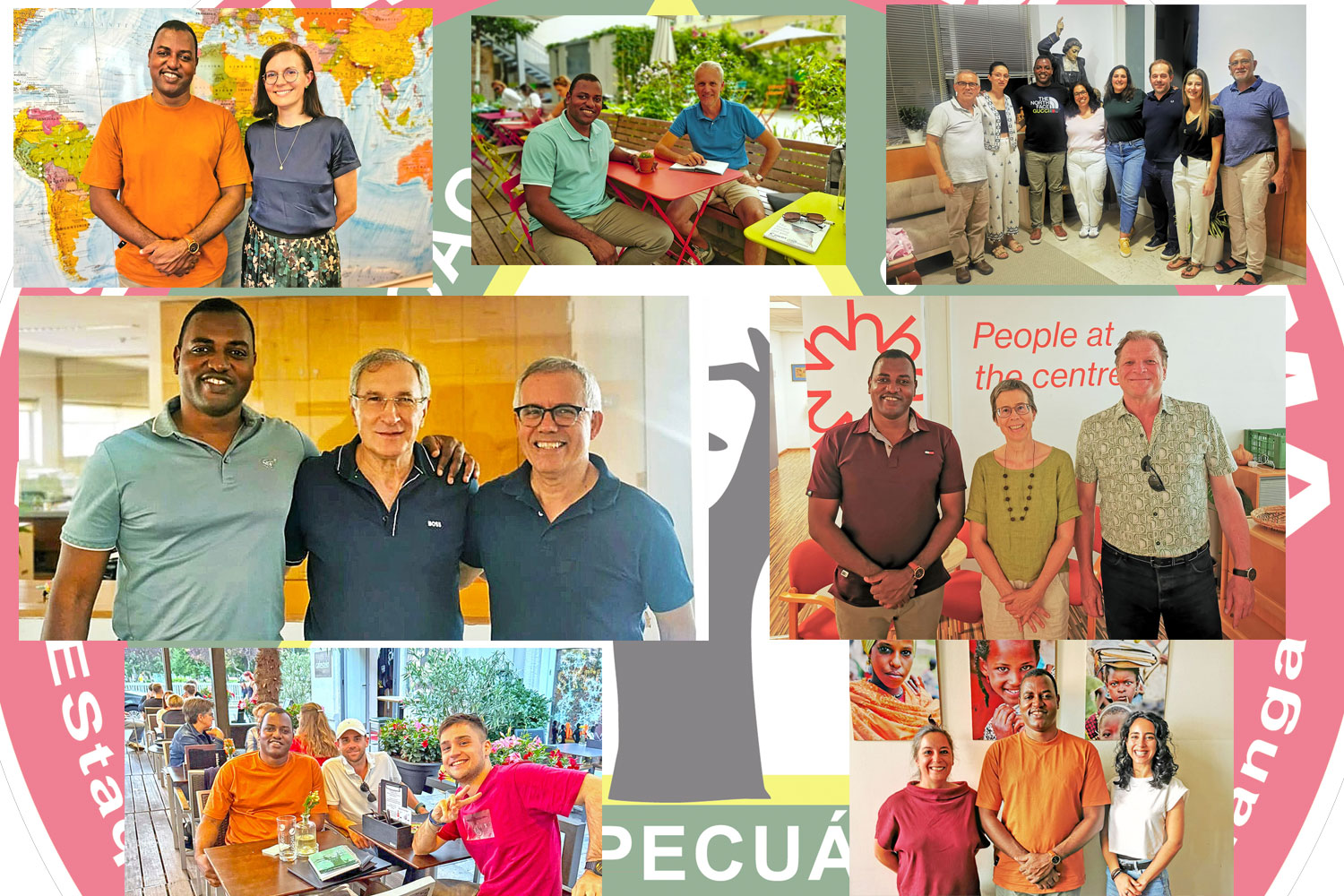
The focus on strategic international partnerships, volunteer mobilisation, and empowerment of local communities will be central to consolidating ESMABAMA’s mission: promoting human development based on the Social Doctrine of the Church and community co-responsibility. I believe that, with firm, transparent leadership aligned with principles of good governance, we are building a stronger, more resilient ESMABAMA, ready to face future challenges.
ANSWER: I read books, watch films, and above all, value time with my family. Being with my family is essential to me, they are my foundation and what helps me most to recharge my energy. These moments bring balance and motivation to face everyday challenges.